The short answer
Dropshipping is legal in the US, UK, EU, Canada, Australia, and every other major market. There is no law anywhere that says you must hold inventory to sell a product online. You list a product, take the order, and a supplier ships it to the customer. That is a fulfillment choice, not a regulatory category.
The legal risk in dropshipping does not come from the model itself. It comes from four operator choices: skipping business registration once you owe tax, selling trademarked or counterfeit items, misrepresenting shipping or origin, and ignoring consumer-protection rules like refunds and disclosures.
The model is legal. The risk is in how you run it.
Step 1: Register a business once revenue is real
You can test a store before you register a company, but the moment you start taking real orders you are running a business in the eyes of your tax authority. The threshold for when registration becomes mandatory varies by country, but the safe rule is to register before you process your first paid order.
- US: a single-member LLC in your home state is the most common structure. Costs $50 to $500 depending on the state. You also need an EIN from the IRS, which is free.
- UK: register as a sole trader with HMRC if you expect under £85K in revenue, or set up a Limited company for liability protection.
- EU: rules vary by member state. Most require registering as a self-employed trader or limited company once you sell commercially, regardless of revenue.
- Canada: register a sole proprietorship provincially, and apply for a GST/HST number once you cross $30K CAD in 12 months.
- Australia: register an ABN before you trade, and register for GST once you cross $75K AUD in 12 months.
Register before your first paid order. The fees are small, the protection is not.
Step 2: Handle sales tax and VAT correctly
Sales tax is where most new dropshippers get into trouble, because the obligation depends on where your customer is, not where you are. Shopify, Stripe, and most modern checkouts can calculate and collect it automatically, but you still have to register in the right places and remit on time.
- US: economic nexus laws mean you owe sales tax in any state where you cross a revenue or order threshold (often $100K or 200 orders per year). Register state by state once you cross.
- EU: the One Stop Shop (OSS) scheme lets you collect VAT on B2C sales across the EU and remit through a single country. Required once you cross €10K of cross-border sales.
- UK: VAT registration is mandatory at £85K UK revenue. Sales to consumers in the UK from abroad now require registration regardless of threshold.
- Australia: GST applies to low-value imports and to AU-based sales once you cross the $75K AUD threshold.
Turn on automatic tax in your checkout, then register in the jurisdictions where you actually owe.
Step 3: Vet suppliers and products for IP risk
Selling a counterfeit product, even unknowingly, is a violation of trademark and customs law everywhere. AliExpress and the broader Chinese supplier network include both legitimate factories and unauthorized copies of branded goods. The responsibility to vet sits with you, not the supplier.
- Never list items that carry a brand name, logo, character, or sports team you do not have a license for. Disney, Nike, the Premier League, and Marvel actively pursue takedowns and chargebacks.
- Reverse-image-search the product photos before listing. If the same photo shows up on the brand's official store, your supplier is reselling stolen creative.
- Avoid categories with heavy IP density: graphic tees, phone cases with character art, branded toys, sports jerseys, designer-look fashion.
- Prefer suppliers with verified manufacturing, sample shipments, and a clear returns process. Higher cost, dramatically lower risk.
Counterfeit and trademark issues are the single biggest legal risk in dropshipping. Filter for them at the product-research stage.
Step 4: Comply with consumer-protection rules
Every major market has consumer-protection rules that apply to online sellers. They are simple to comply with once you know them, and ignoring them is what triggers Shopify holds, Stripe reserves, and chargebacks.
- Show realistic shipping times on the product page and at checkout. 'Ships in 14 to 21 days' is fine. 'Free 2-day shipping' on a product fulfilled from China is not.
- Publish a refund and returns policy that matches your jurisdiction's minimums (14 days in the EU and UK, varies in the US).
- Disclose the seller name, business address, and contact email on every page. Required by the EU's Omnibus Directive, the FTC's Mail Order Rule, and Shopify's terms.
- Honor advertised prices and avoid fake countdown timers or fake stock counts. Both are now actively enforced as deceptive practices.
Step 5: Respect the rules of the platforms you depend on
Shopify, Meta, TikTok, and Stripe all allow dropshipping, but each has policies that are stricter than the law. Get banned by one of them and the store stops, regardless of legality.
- Shopify: prohibits IP infringement, deceptive shipping claims, and prohibited categories (weapons, certain supplements). Read the Acceptable Use Policy once.
- Meta and TikTok ad accounts: require a real business name, accurate landing pages, and shipping times shown on the page. Long fulfillment times are not banned, hiding them is.
- Stripe and PayPal: reserve the right to hold funds when dispute rates climb. Keep chargebacks under 1% by being honest about shipping and shipping tracking numbers within 48 hours.
- Google Shopping: requires GTINs, accurate product titles, and a published returns policy. Misleading listings get the merchant account suspended fast.
Platforms enforce stricter rules than the law. Most bans come from policy violations, not legal ones.
Common myths worth clearing up
- 'You need a US LLC to sell to US customers.' Not true. Many non-US operators sell into the US through Shopify and Stripe Atlas without forming a US entity. You still owe US sales tax once you cross nexus.
- 'Dropshipping is a grey area.' It is not. It is a standard fulfillment model. The grey area is selling counterfeit goods, which is illegal whether you dropship or not.
- 'You can hide that the product ships from China.' You cannot, and the moment a customer waits 4 weeks for an undisclosed shipment, you get a chargeback and a Stripe review.
- 'You do not pay tax until you make $100K.' You do. The $100K thresholds are for sales-tax registration in some US states. Income tax applies from dollar one.
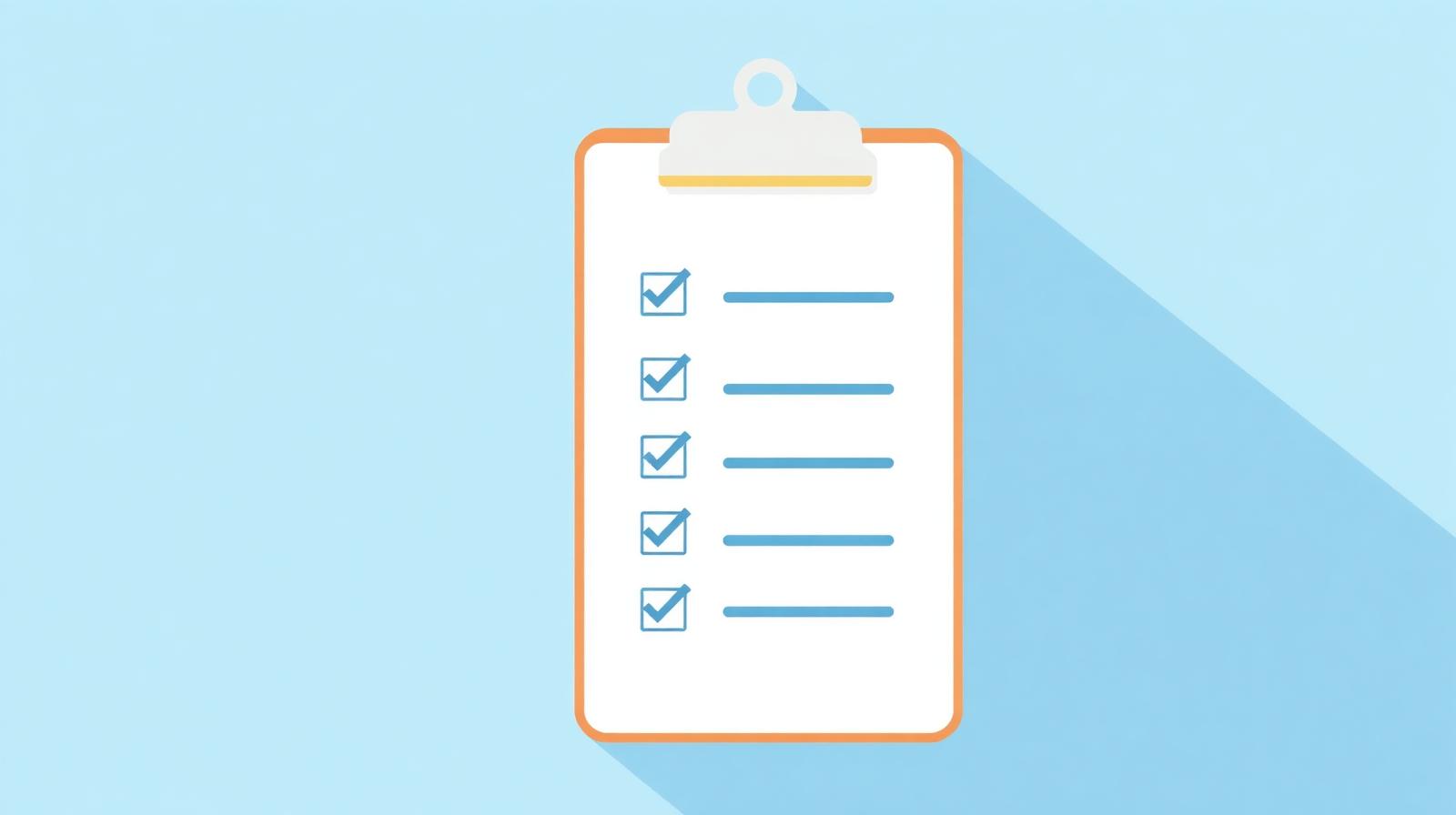
A 7-item launch checklist
- Business registered in your home jurisdiction.
- Tax IDs in place (EIN, VAT, GST, or local equivalent).
- Automatic sales tax or VAT calculation enabled at checkout.
- Refund, shipping, privacy, and terms pages published and linked in the footer.
- Seller name and contact email visible on every page.
- Supplier vetted with at least one sample order and a written returns process.
- Realistic shipping times shown on every product page and at checkout.
From legal foundation to first product
Once the legal and compliance layer is in place, the work becomes operational: picking the right products and validating them before you spend on ads. The winning-product checklist and the dropshipping product research guide are the next two things to read. If you are still scoping the category you want to operate in, how to pick a dropshipping niche gives you the scoring framework.