What counts as a winning dropshipping product in 2026
A winning product is a product that meets all of the following at the same time. Miss one, and you have a fluke, not a winner.
- Net margin 25 to 35 percent at realistic 2026 CPMs.
- A pain or desire that can be communicated in the first 3 seconds of a video.
- Visual demo: looks more impressive on camera than in real life.
- Repeat purchase potential, complementary upsell, or AOV high enough to absorb today's CAC.
- Refund rate under 5% and chargeback rate under 1%.
- Reasonable shipping time (under 12 days to main market).
- Available from a supplier you can scale with: 1000+ orders, 4.8+ rating, English support.
Virality is a bonus. The real definition is repeatable profitability without the refund nightmare.
Three myths about winning products
- Myth: "Winning products always go viral." Reality: many top earners are unsexy products that sell quietly to a niche.
- Myth: "There are no winners left." Reality: there are more than ever; the bar for validation just moved up.
- Myth: "Copy the latest winners list and run it." Reality: by the time it is on a winners list, it is saturated.
Where winning dropshipping products actually come from
The best winners in 2026 come from one of three places. Almost never the "trending products" pages on dropshipping blogs.
- Quiet category leaders on Amazon with 5,000+ reviews and 4.5+ stars: dollar-validated demand, not just attention.
- Long-running Meta and TikTok ads (30+ days): real profitability signal in public view.
- Niche customer complaints on Reddit and forums: pains that have no good product yet, ripe for someone to solve.
The 9-point winning product test
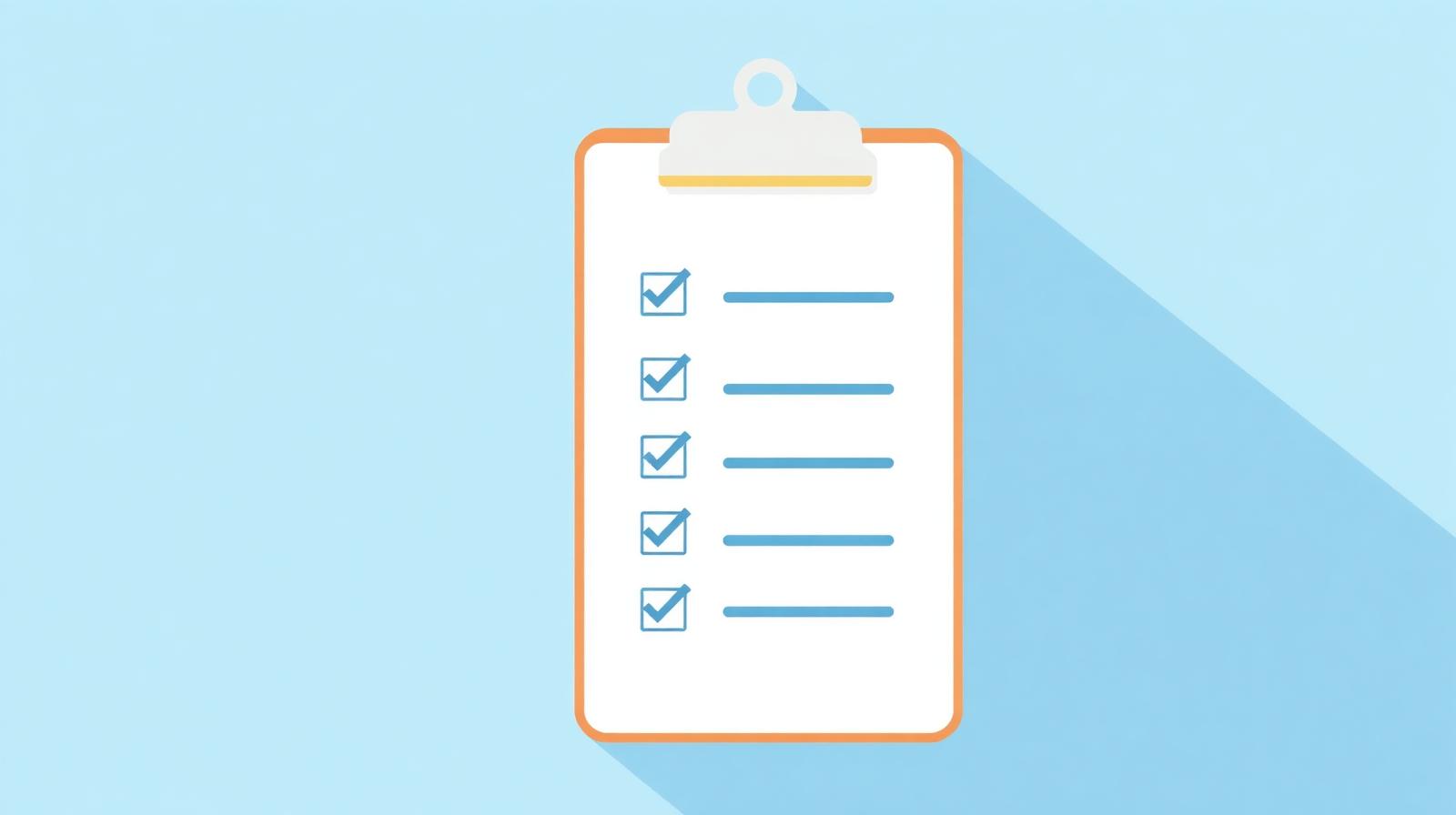
Score every candidate against these 9 criteria. 7 of 9 = test it. 5 to 6 = backlog and watch. Below 5 = avoid.
- Real pain (1pt): customers describe it in their own words online.
- Visual demo (1pt): the benefit is obvious in under 5 seconds on camera.
- Margin (1pt): 3x+ markup after shipping at realistic ad costs.
- Demand depth (1pt): consistent search volume or steady ad presence over months, not days.
- Saturation OK (1pt): under 50 stores actively running ads for the exact product in your geo.
- Supplier quality (1pt): 1000+ orders, 4.8+ rating, under 12-day shipping.
- Angle (1pt): you can write one sharp hook line right now without thinking.
- Refund risk (1pt): no sizing, no fragility, no regulated claims.
- Repeat or upsell (1pt): something to sell after the first purchase.
Scoring forces honesty. Without it, every product you like scores 9/9 in your head.
Red flags that disqualify a product instantly
- Tiny supplier (under 500 orders, no reviews): supply will collapse the moment you scale.
- Sizing-dependent apparel: refunds eat the margin.
- Regulated category (skincare claims, supplements, electronics with batteries): ad bans incoming.
- Identical product is on every dropshipping winners list this week.
- Cannot find a single ad running longer than 14 days: nobody can make it profitable.
From qualified winner to scaled product
Passing the 9-point test means you should test, not that you have a scaled product. Plan to spend $50 to $150 testing creative angles before judging. A real winner survives 3 different creatives, not 1 lucky one.
- Test 3 distinct angles, not 3 variations of the same angle.
- Decide kill criteria before launch (CPA, ROAS, day) and stick to them.
- Document every test. Patterns emerge after 10-15 products, not after 1.
Go deeper on winning products
These guides drill into the discovery and qualification steps inside this pillar. Read them in order if you are still building the system, or jump to the one that matches your current bottleneck.
- The 2026 winning-product criteria checklist: the exact 9 criteria with a scoring system you can apply to every idea.
- How to find winning dropshipping products: a 5-step framework for repeatable discovery.
- How to find winning products in 2026: the updated playbook with the signals that matter at 2026 CPMs.
- How to spot winning products on TikTok and Facebook: the ad-library signals that predict winners (and the ones that fool beginners).